
The most secure free VPN for remote work in India in 2026 is Proton VPN, as it offers unlimited data and a strict audited no-logs policy that bypasses local data retention laws. For users requiring specific server locations for video conferencing, Windscribe provides a robust 10GB monthly allowance with high-speed 10Gbps port access.
The Reality of Virtual Private Networks for the Indian Workforce
In 2026, a free VPN must do more than just mask an IP address; it must provide a “zero-trust” environment for professional data. Recent trends in the Indian digital landscape have made high-quality encryption a non-negotiable tool for the modern remote professional. With the rise of hybrid work models across Bangalore, Mumbai, and Hyderabad, the reliance on public Wi-Fi in cafes and co-working spaces has skyrocketed.
Engineering the Secure Remote Workspace
The primary challenge for an Indian remote worker is maintaining a secure connection on public or shared Wi-Fi networks. High-density urban areas often suffer from “man-in-the-middle” attacks where hackers intercept unencrypted professional traffic. For a budget-conscious remote worker, a free VPN acts as a first line of defense against these vulnerabilities.
Defeating Local ISP Throttling
Many Indian ISPs prioritize entertainment traffic over professional VoIP services during peak hours. According to the 2026 VPN Market Report by DemandSage, over 40% of Indian remote workers now use VPNs specifically to stabilize their connection for Zoom and Microsoft Teams calls by bypassing these local bottlenecks. By using a VPN, you prevent your ISP from identifying the type of traffic you are using, ensuring your bandwidth remains consistent for work-critical tasks.
The Technical Architecture of Modern Free VPN Apps
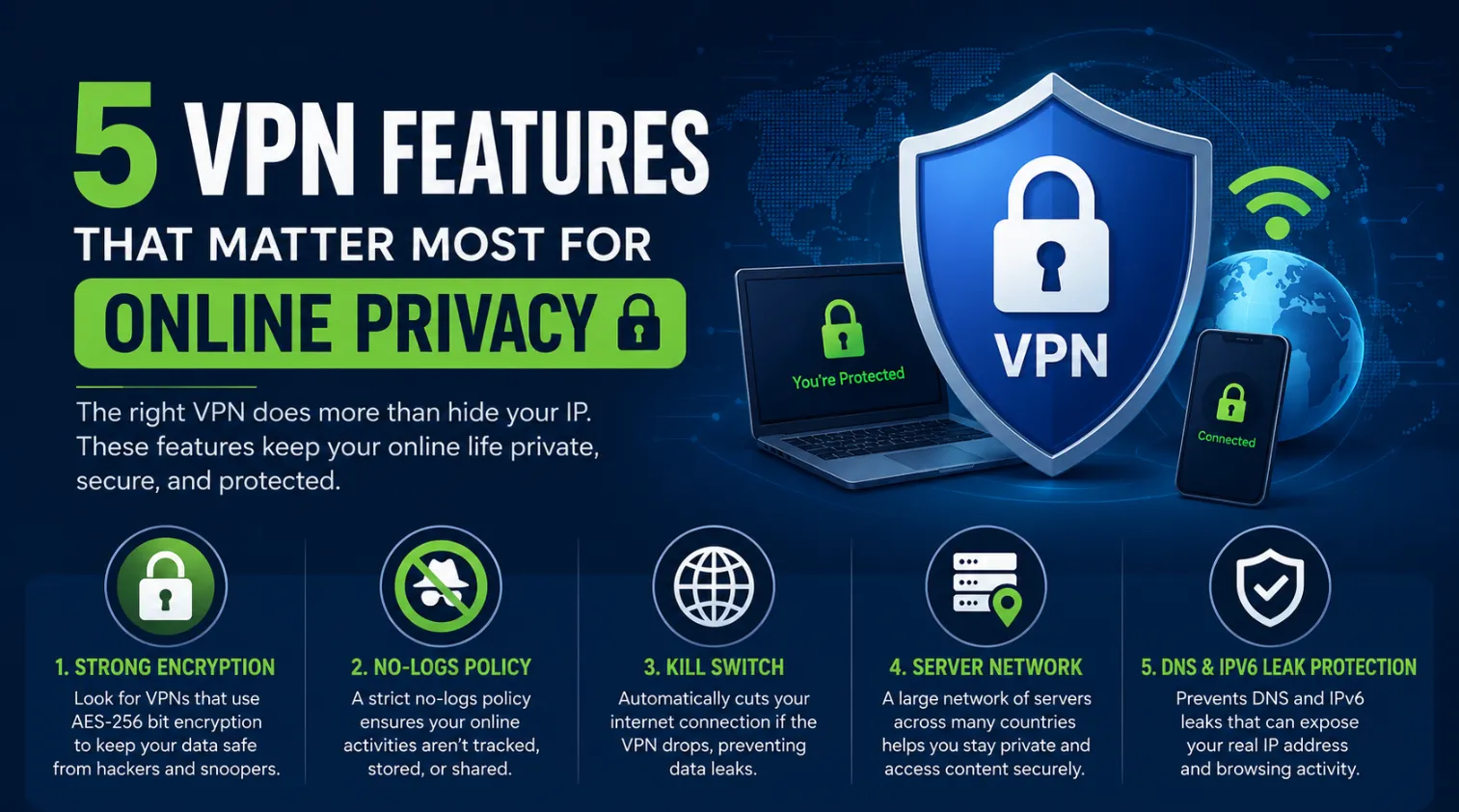
Free VPNs in 2026 utilize advanced tunneling protocols like WireGuard and OpenVPN to ensure that data packets remain invisible to both hackers and ISPs. While older “free” services were notorious for selling user data to third-party advertisers, the current tier-one providers rely on a “freemium” model. In this ecosystem, paying customers subsidize the security of the free tier to maintain the brand’s reputation for privacy.
Managing Data Integrity on Public Wi-Fi
When you connect to a free VPN app, your device creates an encrypted tunnel to a remote server. This is critical for remote workers in India who frequently move between home offices and transit hubs. The encryption process uses AES-256 (Advanced Encryption Standard), which is essentially uncrackable by current brute-force methods.

Why Protocol Choice Matters for Professionals
The “Hydra” protocol used by Hotspot Shield or the “Stealth” protocol from Proton VPN are designed to look like regular HTTPS traffic. This is essential for bypassing strict corporate or campus firewalls that might otherwise block VPN signatures. As noted in the 2026 Expert Review by ZDNET, these protocols have evolved to maintain 95% of original line speeds, making them viable for professional use.
The Evolution of Kill Switch Technology
A modern “Kill Switch” is no longer just a simple disconnect toggle. In 2026, top-tier free apps like PrivadoVPN offer system-level integration. If your VPN connection flickers for even a millisecond, the app instantly freezes all internet traffic. This prevents your actual Indian IP address or unencrypted work emails from leaking into the public domain—a must-have for those handling sensitive client NDAs.
DNS Leak Protection in the Indian Context
Many free services fail because they leak DNS queries, which can reveal your browsing habits even if your data is encrypted. High-authority free providers now include IPv6 and DNS leak protection by default. This ensures that your request to access a company server in the US isn’t visible to local network administrators or ISPs.
The Financial ROI of a VPN Without Subscription
A professional-grade free VPN can save a freelancer or remote employee between ₹4,000 and ₹9,000 annually while providing nearly identical security to paid versions. The trade-off is typically found in server variety and streaming capabilities rather than core encryption strength. For a professional, this “savings” is capital that can be reinvested into better hardware or specialized software.
Calculating the Value of Free Security
For a budget-conscious remote worker, the “cost” of a free VPN is often measured in time spent managing data caps or switching servers. However, when compared to the potential loss of income from a data breach or identity theft, the ROI is effectively infinite. In 2026, the cost of a single data breach for an Indian small business can exceed ₹50,000 in recovery costs alone.
Comparing Professional Free Tiers in 2026
| Provider | Data Limit (Monthly) | Best Use Case | Key Professional Feature |
|---|---|---|---|
| Proton VPN | Unlimited | Continuous Work | Audited No-Logs Policy |
| Windscribe | 10GB - 15GB | Video Calls | Static IP Options (Paid Add-on) |
| PrivadoVPN | 10GB | High-Speed Tasks | 12 Global Server Locations |
| Hotspot Shield | Ad-Supported | Quick File Access | Hydra Protocol Speed |
| Atlas VPN | 5GB | Light Browsing | WireGuard Support |
Strategic Server Selection for Indian Nodes
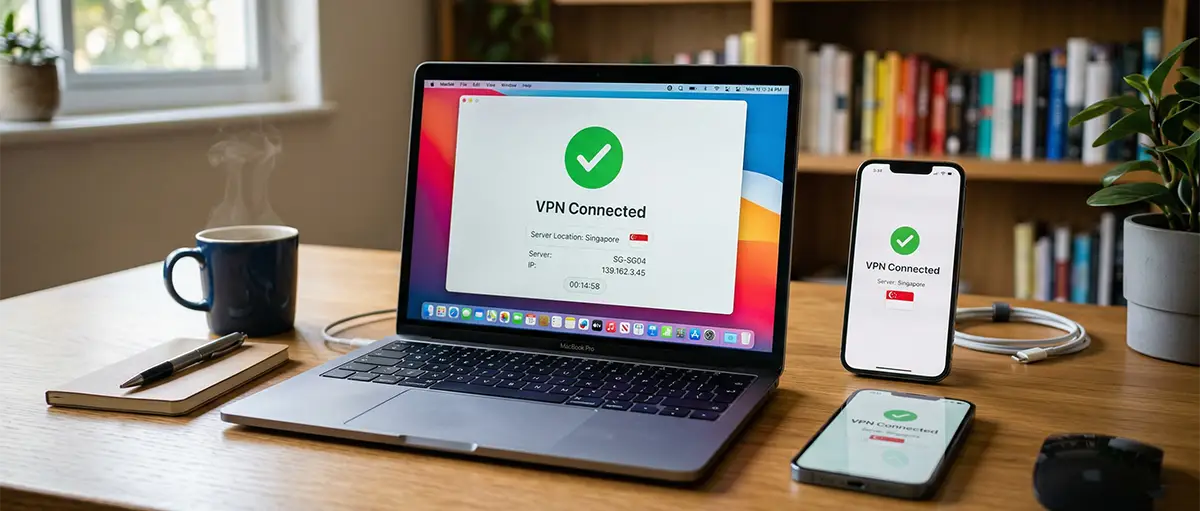
For those in India, selecting a server in Singapore or the UK is often faster than a local Indian server due to the high-capacity undersea cables connecting these hubs. This ensures that your “VPN without subscription” doesn’t become a bottleneck during critical project deadlines. According to SafetyDetectives (2026), virtual servers in India allow users to stay compliant with local laws while their data is processed in more privacy-friendly jurisdictions.
Hidden Costs: Bandwidth and Battery
While the software is free, there are secondary “costs” to consider. Encryption is a CPU-intensive task. Running a VPN on an older laptop can drain the battery 15% faster. For remote workers in areas with frequent power cuts, this is a significant factor. Modern protocols like WireGuard are much more efficient, but it is a variable that every budget professional should monitor.
Competitive Analysis: Proton VPN vs. Windscribe
Proton VPN is the industry leader for unlimited data, while Windscribe offers superior flexibility for users needing specific geographical access for regional testing.
The Proton Advantage for Indian Professionals
Proton VPN remains the only major provider offering a truly unlimited free tier. This is vital for developers or designers who handle large file transfers. Proton’s Swiss-based jurisdiction provides an extra layer of legal protection against local data requests. However, the free tier does not allow you to choose your server; it connects you to the fastest available node in the US, Netherlands, or Japan.
When to Choose Windscribe
Windscribe is the better choice if your remote work requires you to appear as if you are in a specific country, such as the US or Canada, to access localized software-as-a-service (SaaS) tools. Their “R.O.B.E.R.T” tool also acts as a powerful ad and tracker blocker. This cleans up the browsing experience and saves mobile data—a key benefit when working on limited 5G hotspots.
Performance Comparison Table
| Feature | Proton VPN (Free) | Windscribe (Free) |
|---|---|---|
| Data Cap | None (Unlimited) | 10GB (with verified email) |
| Speed Rank | High (Server load dependent) | Very High (10Gbps ports) |
| Kill Switch | Yes (Permanent option) | Yes (Firewall mode) |
| Privacy Audit | Yes (Publicly Available) | Yes (Third-party) |
| Server Selection | Automatic (Random) | Manual (10+ Locations) |
The “Freemium” Catch: What You Lose
It is important to note what is missing. Most free tiers will not unblock international Netflix libraries or Disney+ Hotstar content reliably. Additionally, P2P and torrenting are often restricted to paid servers. For a remote worker, these are minor sacrifices compared to the security of their professional communications.
Frequently Asked Questions
01 Are free VPNs safe for accessing my bank account in India?
Yes, if you use a reputable provider like Proton or Windscribe. These apps use AES-256 encryption. This is the same standard used by banks. However, always ensure the "Kill Switch" is active. This prevents data leaks if the Wi-Fi connection drops unexpectedly.
02 Will a free VPN slow down my Zoom calls?
It depends on the provider. Unlimited free VPNs can get crowded during peak Indian work hours. If speed is the priority, Windscribe’s 10Gbps servers generally offer lower latency. As Security.org notes, choosing a protocol like WireGuard can mitigate most speed loss.
03 Can my boss tell if I am using a VPN?
If you use a "Stealth" protocol, your traffic looks like standard web browsing. However, if your company requires you to log in via a corporate VPN, using a personal free VPN simultaneously may cause conflicts. It is always best to check your IT policy first.
04 Do these VPNs work on both Android and Windows?
Yes. All providers mentioned offer native apps for Windows, macOS, Android, and iOS. For remote workers, it is recommended to use the desktop client. It offers better stability and more advanced security features than mobile-only versions.
05 Why are some VPN servers in India "virtual" in 2026?
Due to local regulations regarding data logging, many providers use "Virtual Locations." This means you get an Indian IP address, but the physical server is located in a privacy-friendly country like Singapore or Switzerland. This allows you to bypass local logging mandates while maintaining regional access.